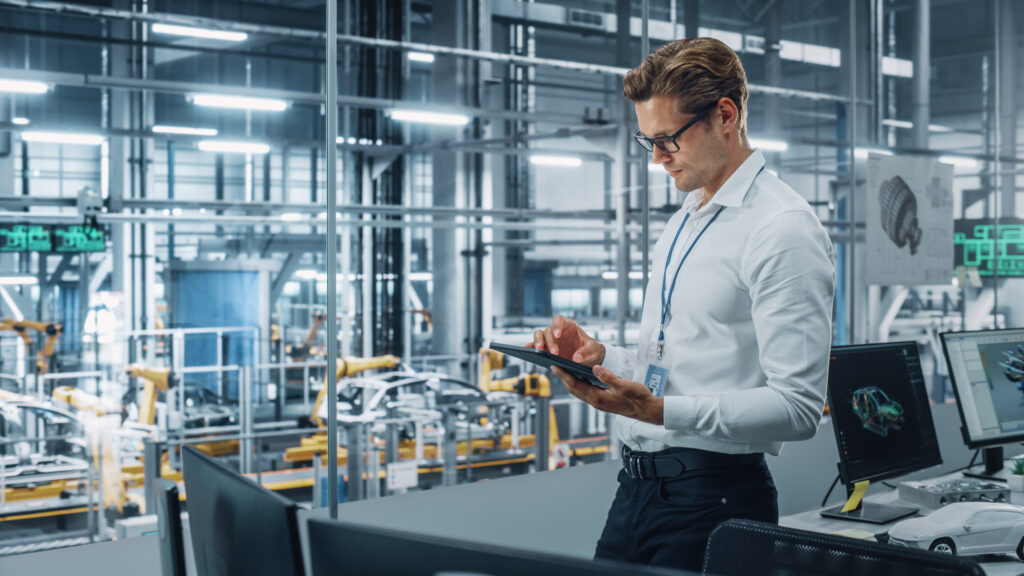
AI adoption in manufacturing is not merely a technological trend but a response to severe macroeconomic pressures. The “triple squeeze” of rising costs, supply chain instability, and talent scarcity is forcing manufacturers to rethink their operational models. It is a logical extension to Software Defined Manufacturing.
In 88% of the cases in Discrete and Automotive manufacturing companies Preventive Maintenance is the prevalent strategy to avoid machine failures. The disruption due to time based or usage-based intervals as trigger is scheduled and treated as a Constraint to the throughput of the facility and needs to be optimized.
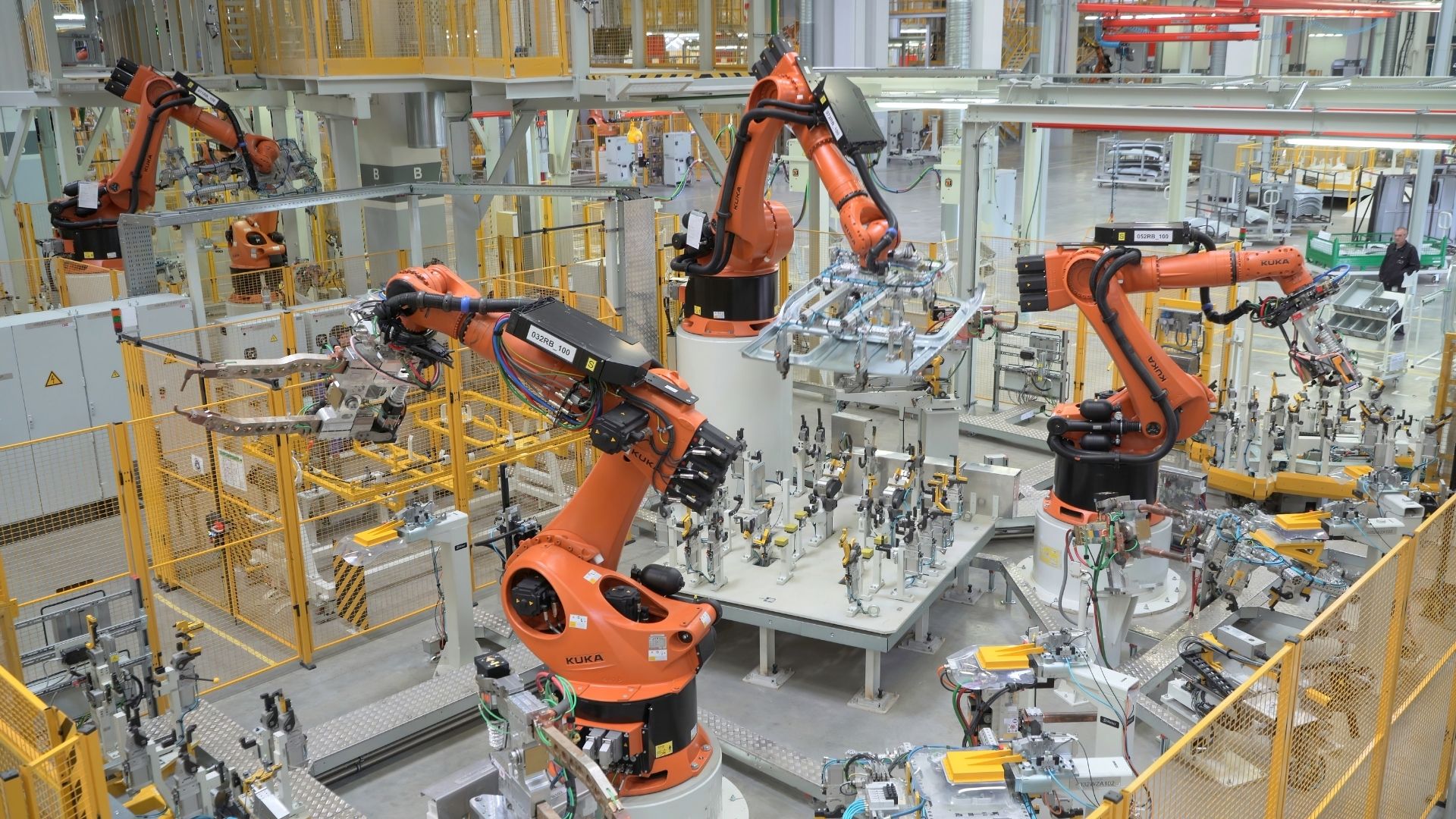
- Usage-Based Triggers: In automotive assembly, maintenance is often triggered by “cycle counts” (e.g., a welding robot serviced every 50,000 spots) rather than just calendar dates.
- Total Productive Maintenance (TPM): Operators on the floor are increasingly responsible for “Conscious Maintenance”—daily cleaning, lubrication, and basic inspections—freeing up specialized technicians for complex repairs.
- Standardized Checklists- Technicians use tablets to follow interactive, image-rich checklists, ensuring consistency across shifts.
The “Over-Maintenance” Challenge: A significant drawback in 2026 remains “unnecessary servicing.” Statistics show that nearly 30% of preventive tasks are performed on assets that don’t yet require them, leading to wasted parts and labor. ERP systems have maintenance module as a software component designed to automate, schedule, and track the servicing, repairs, and upkeep of machinery and equipment. The shift from “regular intervals” to “as needed” is being driven by the falling cost of IIoT sensors and the maturity of AI models.
Non-Invasive “Brownfield” Digitization and Predictive Maintenance
A major trend is the use of Electrical Signature Analysis (ESA). Instead of placing sensors on every motor, sensors are installed in the Motor Control Center (MCC). By analyzing the “voltage and current fingerprints,” AI can detect mechanical faults (like bearing wear) deep inside the machine without physical access.
The Rise of “Metabolic” Monitoring (AI & IoT)
Acoustic AI: Using high-fidelity microphones to “listen” to machines. AI can detect high-frequency sounds (inaudible to humans) that signal a vacuum leak or a misaligned conveyor belt weeks before a failure.
Thermal Imaging Clusters: Fixed infrared cameras monitor electrical panels and gearboxes in real-time, automatically triggering a work order if a “hot spot” deviates from the baseline.
Digital Twins and Simulation
Automotive OEMs are now using Digital Twins to simulate the wear and tear of a production line. By running “what-if” scenarios, R&D and Maintenance teams can predict how a change in production speed (e.g., ramping up for a new EV model) will impact the remaining useful life (RUL) of critical components.